Bubbles Beach, Dominica:
The Snorkel Spot Without the Crowds
Last updated:

Must See

Volcanic vents rise through the seabed. Snorkel through warm champagne water, surrounded by reef fish, in a bay that few tourists bother to find.
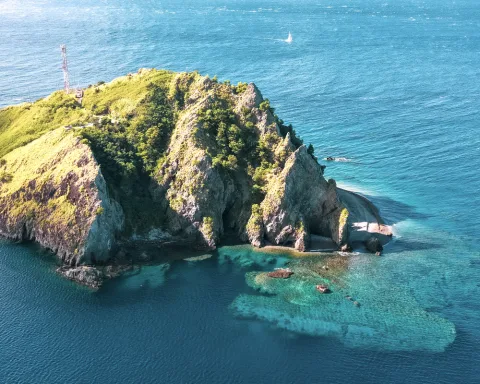
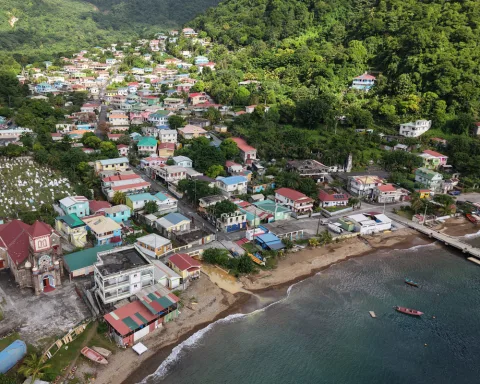
Bubbles Beach is a small black-sand beach on Dominica's south-west coast, just north of Soufriere village. The reason to come here isn't the sand. It's what's in the water: volcanic vents in the seabed release continuous streams of bubbles up through warm water, against rocks and a small reef in 1 to 5 m of depth. The effect is the same as Champagne Reef, the more famous site to the north, with the meaningful difference that Bubbles Beach is much quieter.
"Skip Champagne and go to Bubbles Beach. Less crowds, more bubbles."
Drew
Why Bubbles over Champagne
Both sites have the same volcanic vent phenomenon. Champagne Reef is the famous one, on every cruise excursion list, and consequently busy. Bubbles Beach is less developed, less visited, and the vents are arguably more concentrated and easier to access from the small beach.
For most snorkellers, especially those who want a relaxed experience without dive boats and tour groups, Bubbles Beach is the better pick.
What to expect
The beach is small (maybe 50 m long), with dark volcanic sand, a basic shoreline that drops gently into clear water, and a small bar/restaurant operating most days. Walking in to the bubble vents takes you into water about 1 to 5 m deep where you'll see:
- Streams of bubbles rising continuously from vents in the seabed.
- Localised warm patches where the water passes through the vents.
- Coral and reef fish at the edges of the vent area.
- Occasional larger fish including parrotfish, sergeant majors, and sometimes turtles.
The bubbles aren't dangerous. The water around them is warmer than ambient but not scalding. Snorkelling through them is the experience.
Practical tips
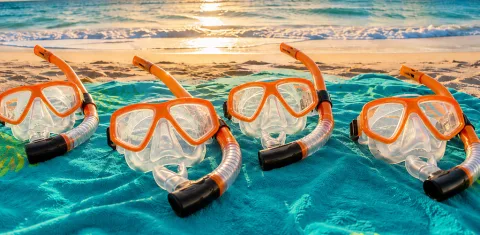
- Bring snorkel gear if you have it. Rentals at the beach are sometimes available, sometimes not.
- Reef shoes or hike sandals for the rocky entry.
- Reef-safe sunscreen is required (this water is part of the wider marine reserve area).
- Go in the morning. Calmer water and less wind.
- Cash for the bar/restaurant if it's open.
- Don't expect facilities. Toilets and other amenities are limited.
Getting there
- From Roseau: ~45 minutes by car along the south-west coast.
- From Soufriere village: 5 to 10 minutes by car or a 20-minute walk.
- Public transport: shared minibuses to Soufriere then a short walk or local taxi.
Pair with
- South-coast snorkel day: Bubbles Beach in the morning plus lunch in Soufriere.
- Diving plus snorkelling: A morning two-tank dive in the marine reserve, Bubbles Beach as a relaxed afternoon snorkel.
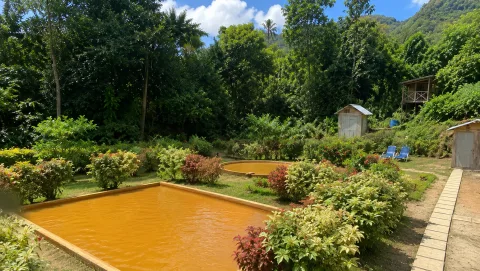
- Spa day: Bubbles Beach in the morning, Bamboozay Sulphur Baths (just up the road) in the afternoon.
Bubbles Beach, Dominica – FAQ
Can you snorkel at Bubbles Beach?
Yes. Snorkel directly from the beach into 1 to 5 m of water where volcanic vents release continuous streams of bubbles. Calm conditions, easy entry, free of charge.
How is Bubbles Beach different from Champagne Reef?
Both have volcanic bubble vents. Champagne Reef is the famous, busier, cruise-tour stop. Bubbles Beach is quieter, less-developed, with arguably more concentrated bubble action.
Is Bubbles Beach worth visiting?
Are the bubbles dangerous?
No. The water around the vents is warmer than ambient but not scalding, and the bubbles themselves are mostly air and water vapour. Avoid putting your face directly over an active vent.
Do I need a Site Pass for Bubbles Beach?
Generally no for the beach itself, though the wider marine reserve area sometimes requires the pass. Confirm locally.
Is there parking at Bubbles Beach?
Limited but available. Small parking area at the beach, with overflow on the road. Free.
Quick look
- From Roseau
- ~45 minutes by car
- What it is
- Volcanic bubble-vent snorkelling from shore
- Beach
- Small black-sand cove
- Cost
- Free (no Site Pass at the beach itself, though the marine reserve nearby may charge)
- Difficulty
- Easy. Calm shore entry, shallow vents.
- Best time
- Morning, before afternoon onshore winds